
How Do Virtual Meetings Work for Florida Condo Boards?
Florida condominium boards increasingly rely on technology to conduct official business remotely. Virtual condo board meetings provide a secure way to govern while meeting statutory obligations. This guide explains how the process works and why every association benefits from it.
Coordinating in person attendance often proves difficult for volunteer board members with busy schedules. Travel and scheduling conflicts sometimes delay important votes and decisions. Therefore, associations need a reliable platform that supports secure remote participation.
This article covers core functions, statutory considerations, and practical steps every board should understand. Additionally, readers will find seven actionable steps and a clear summary at the end.
Understanding Virtual Condo Board Meetings
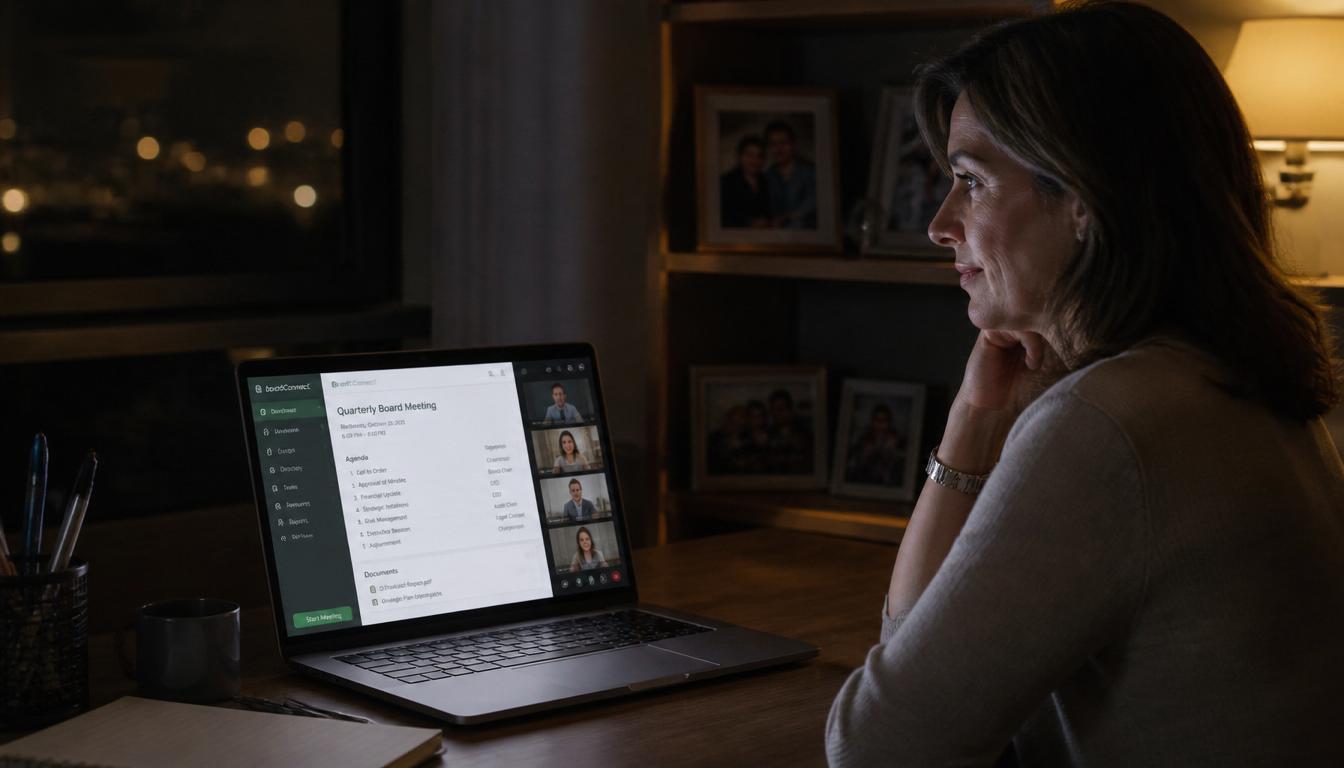
Virtual condo board meetings allow directors and owners to participate remotely through a secure platform. Video conferencing tools replicate the experience of an in person meeting closely. Consequently, boards maintain consistent governance without requiring everyone to gather physically.
Florida Statute 718 permits certain board meetings to occur through remote communication methods. A dedicated platform helps boards follow required notice and participation procedures precisely. As a result, associations conduct compliant meetings regardless of physical location.
Property managers rely on virtual meeting tools to standardize governance across multiple communities. Consistent procedures reduce confusion when coordinating schedules across different associations. Furthermore, standardized platforms help board members adapt quickly between communities.
Statutory Notice Requirements for Remote Meetings
Florida law requires specific notice procedures regardless of whether a meeting occurs in person or remotely. Virtual condo board meetings must follow the same statutory notice timelines as traditional gatherings. Boards avoid procedural challenges by adhering to these requirements consistently.
Notices must specify how owners can access the virtual meeting platform. Clear instructions reduce confusion and improve owner participation rates significantly. Therefore, boards should test access instructions before sending official notices.
Documentation of notice delivery remains just as important for virtual meetings as physical ones. Automated systems track exactly when and how each notice reached owners. Above all, this documentation protects the association if a meeting faces legal challenge.
Quorum Verification and Voting Procedures
Confirming quorum becomes more complex when participants join from different locations remotely. Virtual condo board meetings use digital attendance tracking to verify quorum before votes proceed. Automated systems record exactly who joined and when they logged in.
Voting tools capture results accurately during remote sessions without requiring manual tallying. Directors cast votes through the platform, and results display instantly for all participants. Consequently, boards maintain clear, defensible records of every governance decision.
Owner comment periods still apply during virtual meetings under Florida condominium law. Platforms include features that let owners speak or submit questions during the session. Similarly, this participation preserves the transparency required during in person meetings.
Security and Access Control for Remote Sessions
Protecting the integrity of official board business matters significantly during remote sessions. Virtual condo board meetings require secure login credentials to prevent unauthorized access. Only verified owners and board members can join the official proceeding.
Recording capabilities preserve an accurate record of meeting discussions and decisions. Boards reference these recordings later when questions arise about specific votes. Moreover, recordings support transparency for owners who could not attend live.
Technical support during meetings helps resolve connectivity issues without derailing the proceeding. A dedicated support option keeps meetings running smoothly despite occasional technical problems. This reliability ultimately protects the validity of decisions made during the session.
Improving Participation Through Remote Access
Owners who previously could not attend meetings due to travel or health reasons now participate easily. Virtual condo board meetings remove many of the barriers that limited owner engagement historically. As a result, meetings often reflect broader community input than before.
Recorded sessions let owners review meeting content afterward at their own convenience. Residents who missed the live session still stay informed about association business. Furthermore, this flexibility strengthens overall communication between boards and residents.
Increased participation ultimately strengthens board decisions through wider community representation. Owners feel more connected to governance when barriers to attendance decrease. Similarly, higher engagement reduces disputes stemming from feelings of exclusion.
Selecting the Right Virtual Meeting Platform
Choosing the right system requires evaluating security features and statutory compliance tools carefully. Boards should confirm that any virtual condo board meetings platform supports quorum tracking and secure voting. Otherwise, gaps in these features may create governance disputes.
Ease of use matters significantly for board members and owners with varying technical comfort levels. A complicated platform discourages participation and increases support requests during meetings. For this reason, boards should request demonstrations before committing to any system.
Ongoing support ensures smooth implementation and reliable meeting operation over time. Training resources help board members and owners navigate the platform confidently. Most importantly, responsive support resolves technical issues quickly during live sessions.
Steps for Achieving Successful Virtual Meetings
- Review current meeting procedures and identify barriers to owner participation.
- Confirm statutory notice and quorum requirements under Florida Statute 718.
- Evaluate platforms based on security features and voting capabilities.
- Request a demonstration focused on quorum tracking and recording features.
- Involve board members and staff early in the platform selection process.
- Test access instructions thoroughly before sending official meeting notices.
- Gather owner feedback after each session to improve future meetings.
Key Takeaways
- Virtual condo board meetings allow secure remote participation in official governance.
- Florida Statute 718 permits remote meetings under specific notice requirements.
- Digital attendance tracking verifies quorum before votes proceed.
- Security features protect the integrity of official board proceedings.
- Recorded sessions improve access for owners who cannot attend live.
- Increased participation strengthens board decisions through wider representation.
- Choosing the right platform requires evaluating security and ease of use.
Conclusion
Ultimately, condominium boards gain significant advantages by adopting virtual meeting technology. Improved participation, stronger compliance, and greater flexibility all result from the right platform choice. Communities that invest in reliable virtual tools often see measurable improvements in owner engagement.
Boards evaluating new systems should prioritize platforms built specifically for Florida condominium governance. Generic conferencing tools rarely address the statutory nuance that board meetings demand. Therefore, careful evaluation protects the association from procedural challenges.
Above all, virtual meetings benefit both the association and individual unit owners. Accessible, well documented governance builds trust while expanding community participation. Boards ready to modernize meeting procedures should schedule a demonstration today.
The information provided on this website is NOT to be considered legal advice. Associations and unit owners should consult with legal counsel for the specific application of the Association’s governing documents and Florida Statutes.