
How Do Self Managed Condos Handle Financial Reporting?
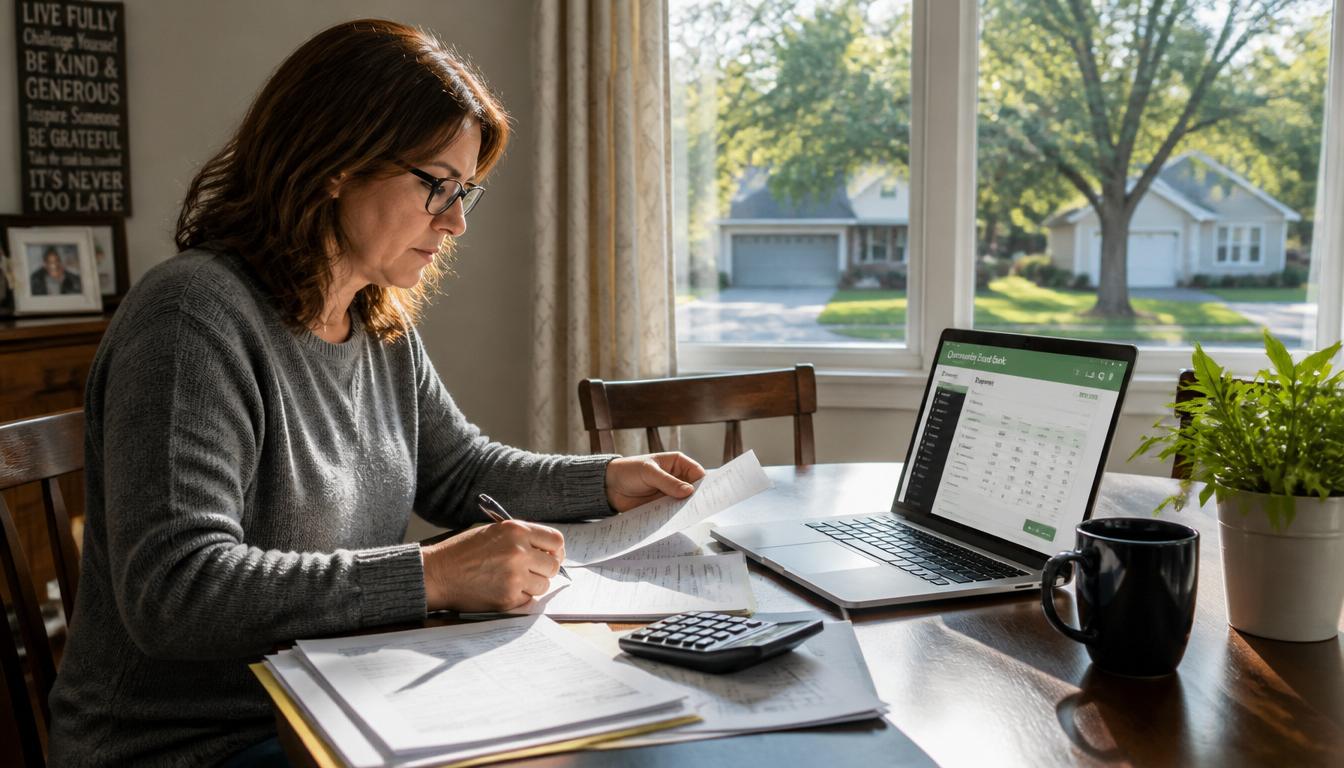
Florida condominium boards without professional management still carry full financial reporting responsibility. Board managed condo financial reporting requires the same accuracy as professionally managed communities. This guide explains how volunteer boards handle this responsibility effectively.
Volunteer directors often lack formal accounting training despite handling significant community funds. Manual bookkeeping methods increase the risk of errors and missed statutory deadlines. Therefore, self managed boards need reliable tools that simplify financial reporting considerably.
This article covers core functions, statutory considerations, and practical steps every board should understand. Additionally, readers will find seven actionable steps and a clear summary at the end.
Understanding Board Managed Financial Reporting
Board managed condo financial reporting refers to the accounting responsibilities volunteer directors handle without professional management. These boards must produce accurate financial statements despite limited administrative resources. Consequently, technology becomes essential for maintaining accuracy and compliance.
Florida Statute 718 imposes identical financial reporting requirements regardless of management structure. A dedicated system helps self managed boards meet these obligations without hiring outside accounting staff. As a result, associations save money while still maintaining full statutory compliance.
Volunteer treasurers rely on intuitive software to handle responsibilities typically assigned to professional accountants. Simplified workflows reduce the learning curve for board members without financial backgrounds. Furthermore, guided processes help prevent common accounting mistakes.
Simplifying Complex Accounting Tasks
Volunteer boards benefit significantly from software that automates traditionally complex accounting functions. Board managed condo financial reporting tools apply payments, calculate late fees, and reconcile bank accounts automatically. Directors no longer need advanced accounting knowledge to maintain accurate records.
Chart of accounts templates provide a starting structure aligned with condominium accounting standards. Boards avoid the guesswork of building an accounting structure from scratch. Therefore, financial records remain organized and consistent from the very first entry.
Automated reconciliation flags discrepancies between bank statements and internal records immediately. Volunteer treasurers catch errors quickly instead of discovering them months later. Above all, this automation reduces the risk of significant unnoticed accounting problems.
Meeting Statutory Financial Reporting Requirements
Florida law requires specific annual financial reports regardless of who manages the association. Board managed condo financial reporting tools generate these statutorily compliant reports without manual formatting. Volunteer boards produce professional quality reports without specialized accounting expertise.
Budget preparation and approval also carry specific statutory notice and disclosure requirements. Software tools guide boards through this process step by step each year. Consequently, self managed associations meet deadlines that might otherwise slip through the cracks.
Annual audits or reviews sometimes apply to associations based on budget size under Florida law. Organized, automated records make this process significantly easier for volunteer boards. Similarly, clean records reduce the time and cost associated with outside review.
Supporting Volunteer Treasurers and Directors
Volunteer treasurers often serve limited terms before new directors take over financial responsibilities. Board managed condo financial reporting tools preserve institutional knowledge within the system itself. New treasurers inherit organized records instead of starting from confusing handoff notes.
Guided workflows walk new treasurers through routine tasks like invoice approval and payment processing. Built in instructions reduce the anxiety that often accompanies taking on unfamiliar financial duties. Moreover, this support helps associations maintain continuity despite regular leadership turnover.
Training resources specifically designed for non professional users make adoption easier for volunteer boards. Simple tutorials explain accounting concepts in accessible, non technical language. This accessibility ultimately empowers volunteers to manage finances confidently.
Reducing Errors Without Professional Staff
Self managed associations face higher risk of accounting errors without dedicated professional oversight. Board managed condo financial reporting tools reduce this risk through automated calculations and built in compliance checks. Directors catch potential problems before they become significant financial issues.
Approval workflows require multiple directors to authorize significant expenditures before payment occurs. This built in oversight replicates the checks and balances professional management typically provides. Therefore, self managed boards maintain strong financial controls despite limited staff resources.
Transparent reporting to unit owners also becomes easier with automated, accurate financial tools. Owners see clear, professional reports regardless of whether a management company prepared them. Similarly, this transparency builds owner confidence in volunteer leadership.
Selecting the Right Platform for Self Managed Boards
Choosing the right system requires evaluating ease of use for non professional users specifically. Boards should confirm that any board managed condo financial reporting platform includes guided workflows and clear instructions. Otherwise, a complicated system may discourage volunteer participation entirely.
Support availability matters significantly for boards without dedicated accounting staff. A provider offering responsive, accessible support helps volunteers navigate unfamiliar situations confidently. For this reason, self managed boards should prioritize platforms with strong customer support.
Training resources ensure smooth transitions as volunteer directors change over time. Video tutorials and written guides help new treasurers get oriented quickly. Most importantly, ongoing education empowers volunteers to manage finances accurately.
Steps for Achieving Accurate Self Managed Reporting
- Review current financial reporting methods and identify gaps in accuracy or timeliness.
- Confirm statutory reporting requirements under Florida Statute 718 for your association size.
- Evaluate platforms based on ease of use and guided accounting workflows.
- Request a demonstration focused on automated reconciliation and report generation.
- Involve current and incoming treasurers early in the platform selection process.
- Document internal procedures clearly to support future leadership transitions.
- Review financial reports regularly to confirm continued accuracy and compliance.
Key Takeaways
- Board managed condo financial reporting requires the same accuracy as professional management.
- Florida Statute 718 imposes identical reporting requirements regardless of management structure.
- Automated tools simplify complex accounting tasks for volunteer directors.
- Guided workflows help new treasurers manage responsibilities confidently.
- Approval workflows provide financial oversight despite limited staff resources.
- Transparent reporting builds owner confidence in volunteer leadership.
- Choosing the right platform requires evaluating ease of use and support.
Conclusion
Ultimately, self managed condominium boards gain significant advantages from purpose built financial tools. Reduced errors, stronger compliance, and improved continuity all result from the right technology choice. Associations that invest in proper systems often maintain financial health despite limited staff resources.
Boards evaluating new systems should prioritize platforms designed specifically for volunteer directors managing Florida condominiums. Generic accounting tools rarely address the accessibility that self managed boards require. Therefore, careful evaluation protects the association from avoidable financial errors.
Above all, strong financial reporting benefits both the association and individual unit owners. Accurate, transparent records build trust while supporting effective volunteer governance. Boards ready to strengthen financial reporting should schedule a demonstration today.
The information provided on this website is NOT to be considered legal advice. Associations and unit owners should consult with legal counsel for the specific application of the Association’s governing documents and Florida Statutes.