
What Are the Advantages of a Centralized Platform?
Florida condominium boards often juggle separate tools for accounting, communication, and records. A centralized condo management platform brings every function into one unified system instead. This guide explains how the approach works and why every association benefits from it.
Disconnected software creates duplicate data entry and frequent synchronization errors between systems. Staff waste valuable time switching between platforms to complete routine tasks. Therefore, boards need a unified solution that eliminates this administrative fragmentation entirely.
This article covers core functions, statutory considerations, and practical steps every board should understand. Additionally, readers will find seven actionable steps and a clear summary at the end.
Understanding Centralized Condo Management
A centralized condo management platform combines accounting, communication, and document storage within one system. Staff access every function through a single login instead of multiple separate applications. Consequently, boards eliminate the confusion of managing disconnected software tools.
Florida Statute 718 imposes requirements across nearly every operational area of condominium governance. A unified platform embeds these requirements consistently across accounting, communication, and recordkeeping simultaneously. As a result, associations reduce the risk of compliance gaps between disconnected systems.
Property managers rely on centralized platforms to standardize operations across multiple communities efficiently. Consistent workflows reduce confusion when managing associations with different administrative needs. Furthermore, standardized systems help new staff members learn procedures quickly.
Eliminating Duplicate Data Entry
Separate systems often require staff to enter the same information multiple times manually. A centralized condo management platform eliminates this duplication by sharing data across every function automatically. Owner information updates once and reflects everywhere within the system instantly.
Payment records automatically update accounting, delinquency tracking, and owner portal displays simultaneously. Staff no longer manually transfer information between disconnected accounting and communication tools. Therefore, data entry errors decrease significantly when information flows automatically between functions.
Time savings from reduced duplicate entry accumulate significantly over an entire fiscal year. Staff redirect saved time toward more valuable tasks like owner engagement and planning. This efficiency ultimately benefits every stakeholder within the association.
Improving Data Accuracy Across Functions
Disconnected systems frequently develop inconsistencies when updates occur in one platform but not another. A centralized condo management platform maintains a single source of truth for every data point. Financial records, owner information, and violation history all remain perfectly synchronized.
Accountants trust financial data more readily when it originates from a unified, consistent system. Reconciliation becomes faster when accounting information never requires cross referencing separate platforms. Consequently, month end closing processes move more quickly and reliably.
Audit preparation improves substantially when every relevant record exists within one accessible system. Auditors request information once instead of gathering data from multiple disconnected sources. Similarly, this consolidation reduces the time and cost associated with annual reviews.
Streamlining Communication and Reporting
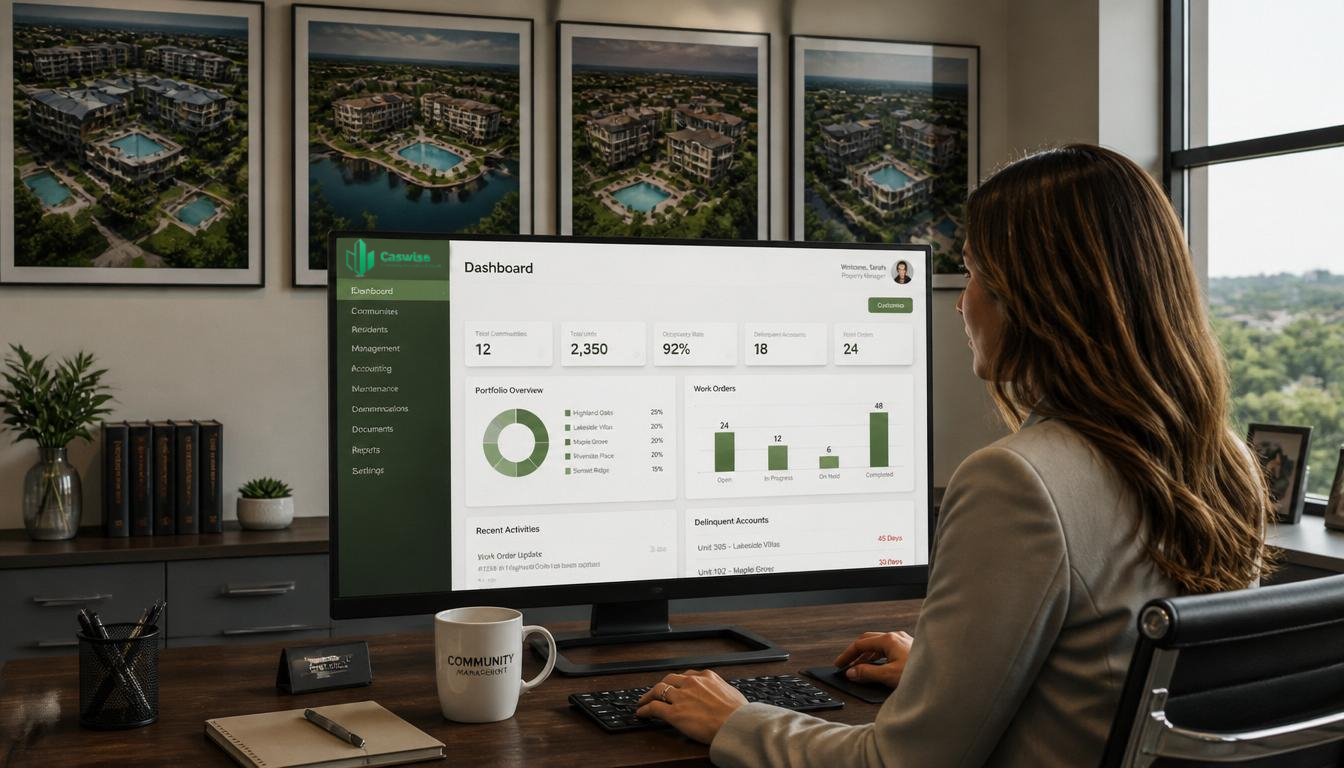
Board members benefit significantly from viewing every relevant metric within a single unified dashboard. A centralized condo management platform combines financial, communication, and maintenance data into comprehensive reports. Directors make informed decisions without compiling information from separate sources beforehand.
Owner communications draw directly from accurate, current account information automatically. Notices and statements reflect the most recent data without manual verification steps. Moreover, this accuracy reduces disputes stemming from outdated or inconsistent information.
Reporting flexibility allows boards to view data from multiple angles within one system. Financial trends, violation patterns, and communication effectiveness all become visible through unified reporting. This visibility ultimately supports better strategic planning for the entire community.
Supporting Multiple Stakeholders Simultaneously
Boards, property managers, accountants, and unit owners all interact with different aspects of association management. A centralized condo management platform gives each stakeholder appropriate access to relevant information. Role based permissions ensure everyone sees exactly what they need without unnecessary complexity.
Accountants access financial data directly without waiting for information from separate communication systems. Property managers oversee multiple communities through one consistent interface regardless of individual association needs. Furthermore, this consistency reduces training time when staff work across different communities.
Unit owners benefit from a single portal covering payments, documents, and communication together. Residents no longer navigate multiple logins or separate systems for different needs. This convenience ultimately improves overall owner satisfaction and engagement.
Choosing the Right Centralized Platform
Selecting the right system requires evaluating how comprehensively it addresses association management needs. Boards should confirm that any centralized condo management platform covers accounting, communication, and compliance thoroughly. Otherwise, gaps in coverage may require supplemental standalone tools anyway.
Scalability matters significantly as associations grow or take on additional responsibilities over time. A platform that adapts to changing needs protects the initial technology investment. For this reason, boards should evaluate long term flexibility alongside current functionality.
Ongoing support ensures smooth implementation and consistent long term operation across every function. Training resources help staff and board members use every feature confidently. Most importantly, responsive support resolves issues quickly regardless of which function encounters a problem.
Steps for Achieving Successful Platform Centralization
- Review current software tools and identify areas of duplication or inefficiency.
- Confirm statutory requirements under Florida Statute 718 across every operational area.
- Evaluate platforms based on comprehensive functionality and integration capabilities.
- Request a demonstration covering accounting, communication, and document management together.
- Involve every stakeholder group early in the platform selection process.
- Plan a clear timeline for migrating data from existing disconnected systems.
- Monitor adoption and efficiency improvements after full implementation completes.
Key Takeaways
- A centralized condo management platform unifies accounting, communication, and document storage.
- Florida Statute 718 requirements benefit from consistent, unified system implementation.
- Eliminating duplicate data entry reduces errors and saves significant staff time.
- A single source of truth improves accuracy across every association function.
- Unified reporting supports better strategic decision making for boards.
- Role based access serves multiple stakeholders through one consistent system.
- Choosing the right platform requires evaluating comprehensive functionality and scalability.
Conclusion
Ultimately, condominium boards gain significant advantages by centralizing their management systems. Reduced duplication, stronger accuracy, and improved stakeholder satisfaction all result from the right platform choice. Communities that invest in unified systems often see measurable efficiency improvements quickly.
Boards evaluating new systems should prioritize platforms built specifically for Florida condominium associations. Generic software combinations rarely achieve the seamless integration that dedicated platforms provide. Therefore, careful evaluation protects the association from continued fragmentation and inefficiency.
Above all, centralized management benefits every stakeholder connected to the association. Unified, accurate systems build trust while reducing administrative burden across the board. Boards ready to centralize their management approach should schedule a demonstration today.
The information provided on this website is NOT to be considered legal advice. Associations and unit owners should consult with legal counsel for the specific application of the Association’s governing documents and Florida Statutes.